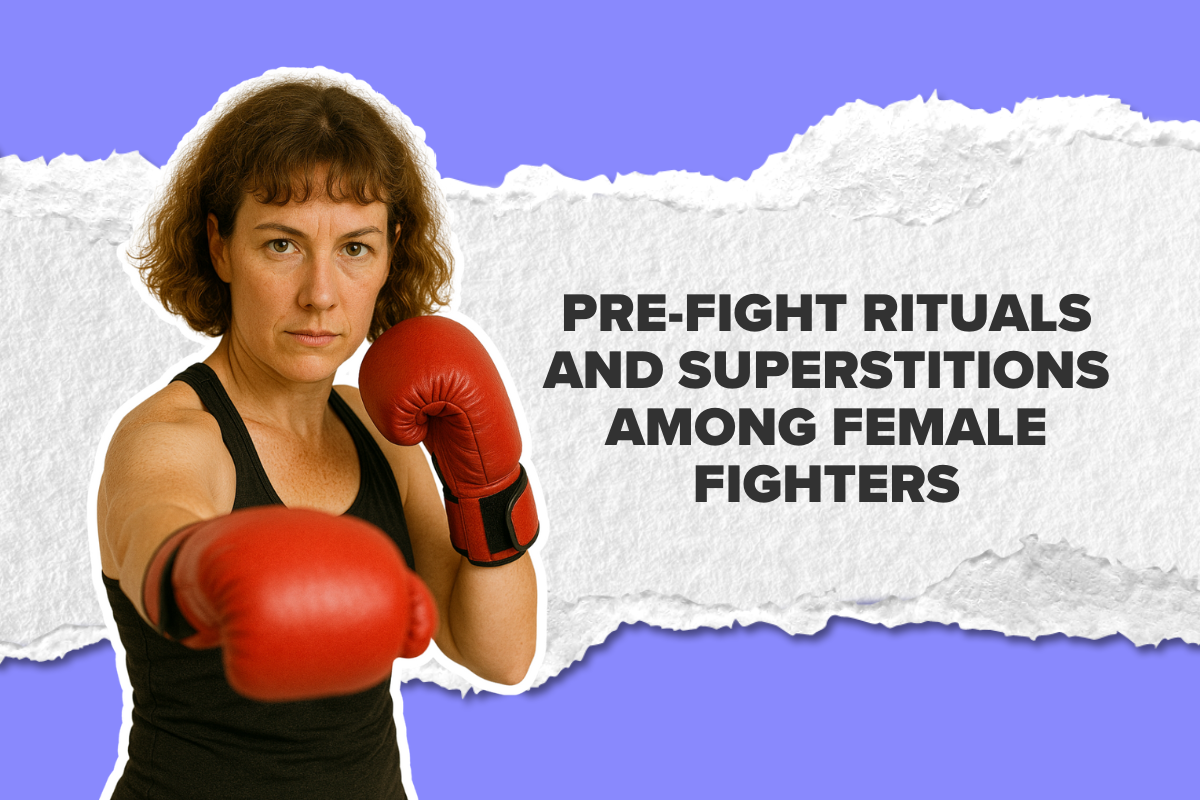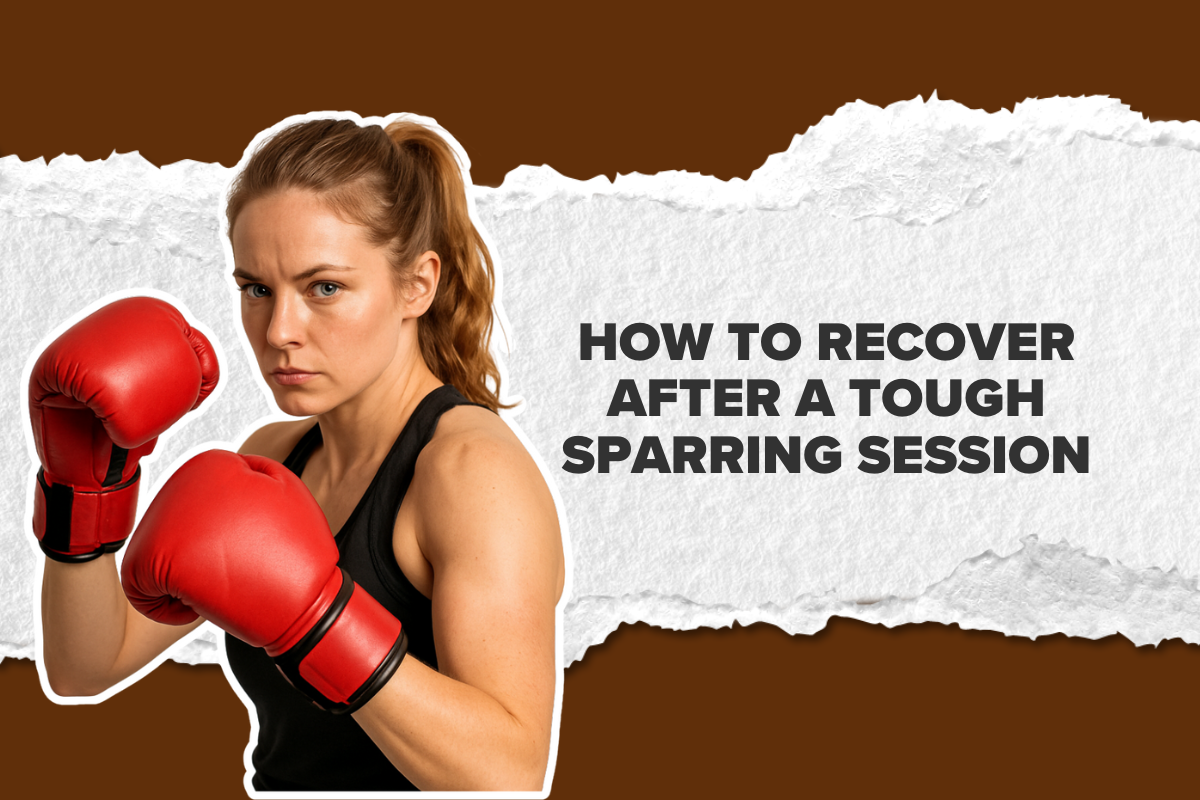

There’s a quiet revolution happening in boxing gyms across America. Women who once assumed the sport belonged to the young, the bold, or the naturally athletic are lacing up gloves for the first time in their 30s, 40s, 50s, and beyond. They come with office schedules, old injuries, self-doubt, curiosity, or simply the desire to try something new. And they stay because boxing gives them something priceless: strength, clarity, confidence, stress relief, community, and a sense of self that isn’t tied to age.
The belief that boxing is a sport only for teenagers or twenty-something fighters is one of the most persistent myths in athletics. But it’s also one of the easiest to disprove. The reality is that boxing is uniquely positioned as a sport and training method that supports late starters. It builds bone density without requiring bone-breaking impact. It strengthens joints if trained progressively. It improves cardiovascular capacity in short, effective rounds. And most importantly, it trains neuromuscular coordination—your body’s ability to recruit the right muscles at the right time—which can improve at any age.
For women, hormonal context adds even more reasons why boxing is a powerful and supportive discipline later in life. Boxing influences endorphins, cortisol, insulin sensitivity, muscle-building hormones like testosterone and growth hormone, sleep quality, metabolism and body image. The adaptations just look different depending on your phase of life, which means the smartest competitive weapon or lifestyle advantage isn’t age—it’s how you train around your biology.
If you’re reading this and wondering whether it’s “too late” to start boxing, consider this your definitive answer:
It’s not. And here’s exactly why.
The Science of Adaptation: The Body Learns at Any Age
Neuroplasticity and Motor Learning
The human nervous system remains capable of learning new movement skills throughout adulthood. While early childhood is a peak period for neuroplasticity, studies confirm that the brain continues forming new neural connections in response to novel skill training, especially when repetition, feedback and progressive challenge are present. Boxing is a high-coordination sport that demands motor learning more than raw muscular force, making it incredibly beginner-friendly even for later-in-life participants.
Every jab, slip, pivot, or combination creates and reinforces neural pathways. The more intentional and repeated the movement, the more permanent the skill. That means the awkwardness you might feel in your first month isn’t evidence of a limitation—it’s evidence that your brain is actively rewiring and learning a new skill.
Rate of Muscular and Cardiovascular Adaptation
-
Cardiovascular capacity improves with consistent high-intensity interval-style training (which boxing naturally delivers).
-
Muscular strength can increase even with bodyweight and moderate resistance training if performed explosively or with rotational mechanics.
-
Bone density is highly responsive to impact training—but doesn’t require reckless impact. Repetitive light-to-moderate and well-aligned glove contact increases bone remodeling and strength without injury spikes.
Boxing training is structured in rounds (2-3 minutes of work), which mirrors proven conditioning science: short bursts of effort followed by recovery rest are more effective and safer than continuous high output for late starters.
Hormonal Response and Reset Mechanism
Boxing stimulates a blend of hormones that influence training adaptations:
-
Cortisol rises acutely during intense rounds to help mobilize stored fuel.
-
Testosterone increases slightly during explosive strength training.
-
Human growth hormone (HGH) spikes during short, high-intensity rounds.
-
Endorphins flood after sessions, lowering long-term baseline cortisol, improving mood and stress capacity.
These hormonal shifts regulate the body into a more metabolically efficient, psychologically resilient and physically stronger state over time.
Benefits Women Experience When They Start Boxing Later
1. Stress Relief and Emotional Regulation
One of boxing’s most measurable benefits is stress reduction. The sport serves as both an outlet for stress and a training method that decreases baseline cortisol over time. When performed correctly, it also stimulates endorphins, serotonin and dopamine—hormones that support emotional regulation, motivation and reduced anxiety.
2. Improved Body Composition
Later starters often see a powerful recomposition effect:
-
Increased lean muscle mass from proper punch mechanics + strength finishers
-
Increased insulin sensitivity and reduced stress-eating behavior
-
Elevated post-training calorie burn (EPOC)
-
Improved posture from posterior chain activation
3. Bone and Joint Health
Boxing offers something many sports don’t: safe, repetitive, alignment-driven impact that improves:
-
Wrist strength
-
Forearm endurance
-
Shoulder stability
-
Knee and ankle resilience
-
Core tension control
4. Self-Confidence and Body Image
Women who start boxing later often report improved body image—not because boxing changes how they look instantly, but because it changes how they feel in their bodies:
✔ Stronger stance = feeling more grounded and secure
✔ Better posture = feeling more confident physically
✔ Learned defense = less fear of failure or injury
✔ Consistency = proof of your own discipline
✔ Power gains from rotation = feeling physically capable, not small
5. Community and Social Support
Boxing gyms are becoming multi-generational spaces. Women who start later often build mentorship roles naturally over time—encouraging others, creating community, and showing that boxing is not “for one type” or “one age”—but for anyone brave enough to start.
Why Boxing Is the Perfect Sport for Late Starters
Round-Based Training
The structure protects you from burnout and overtraining. No marathon sessions needed.
It Teaches Range and Leverage, Not Size
Women—especially petite boxers or late starters—gain power without bulking up, by using:
-
Hips
-
Stance shifts
-
Foot pivots
-
Shoulder alignment
-
Snap return
It Trains Reaction Time and Reflexes
These can actually improve dramatically with boxing because the sport constantly challenges:
-
Hand-eye coordination
-
Lateral stepping
-
Punch anticipation
-
Defensive reading
-
Reset rhythm
Low-Equipment, High-Reward Sport
You can train power, agility, muscle coordination, endurance, mental toughness and stress relief with minimal equipment:
-
Gloves
-
Hand wraps
-
Jump rope
-
Resistance bands
-
Heavy bag (optional but powerful when available)
Supported Hormonal Response
Boxing is a sport that supports endocrine health when performed progressively with good recovery and fueling.
Key Things to Keep in Mind When Starting Boxing Later
Technique First
Speed, power, or sparring comes later.
Build Stance Before Strikes
Stability = safety = power
Start Small
20–30 minute sessions are enough
Add Purpose
Write it down in a calendar
Hydrate
Don’t train dry
Eat Recovery-Based Meals
Glutes and core and protein all matter
Track Progress
Keep a beginner journal
Don’t Compare
You didn’t fail. You’re learning.
A Simple Weekly Routine for Late Starters
Week Structure (for women short on time):
-
1 day: Heavy bag intention rounds (focused power shots)
-
1 day: Shadowboxing + foot pivots (movement IQ)
-
1 day: Strength finisher circuit (core, glutes, lats)
-
1 day: Mobility + breath control + walk (active recovery)
-
Remainder: Rest or light technique drills
It’s not about age. It’s about consistency and intention.
Hormonal Considerations by Life Stage
30s and 40s
-
Great muscle and endurance adaptability
-
Higher stress responsiveness → manage baseline cortisol
-
Great for recomposition and confidence building
50+
-
Bone density benefits spike beautifully from impact training
-
Joint stability work improves posture and fall risk
-
Emotional regulation supports sleep and stress resilience
-
Punching power improves without size needed
Postpartum and Early 30s fatigue phases
-
Start slow, but keep mobility and breath work consistent
-
Supported recovery is everything
-
Well-fitted gloves reduce joint stress dramatically
Boxing isn’t limited by age—it becomes more intelligent with it.
Final Thoughts
You don’t have to start young to be good. You just have to start. The women changing boxing now — the ones securing sponsorships, building companies, mentoring others, headlining events, and proving that powerful punching is a technique, not a size — didn’t wait for perfect timing. They learned to train around their bodies, their energy, and their schedules. And that’s what made them unstoppable.
When you’re ready to begin or level up your training with gloves that actually fit women, check out KO Studio, a women’s boxing gear company built to support you — whether you’re starting your first class or stepping into competition later in life.
Train smart. Stay consistent. And remember: The ring is waiting whenever you are.
And if you’re looking for gear to support your training, KO Studio makes products specifically for women — supporting form, comfort, confidence, and safety.