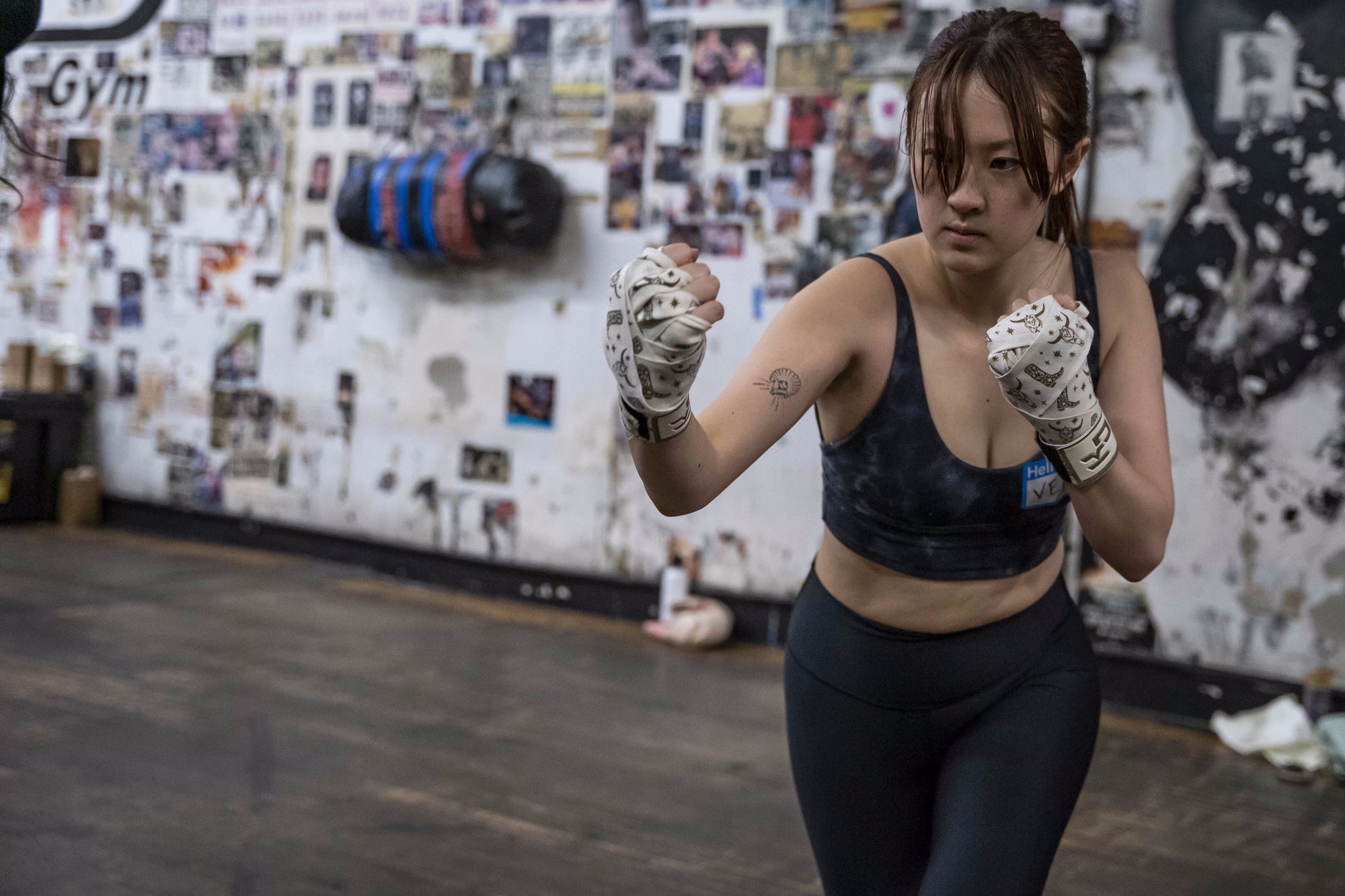

In boxing, progress is not always obvious. Some days feel sharp and powerful. Other days feel slow and frustrating. Because improvement in boxing is layered and gradual, it can be easy to overlook growth or overemphasize temporary setbacks.
This is where journaling becomes a powerful tool.
For many female boxers, journaling is not just about writing down workouts. It is a way to track progress, reflect on mindset, manage emotions, and build long-term confidence. It turns scattered training experiences into measurable development.
When used consistently, journaling becomes a performance strategy.
This article explores how female boxers use journaling effectively, why it strengthens both mental and physical progress, and how to structure a journal practice that supports long-term success.
Why Progress Feels Invisible in Boxing
Boxing improvement often happens in small increments:
-
slightly sharper timing
-
improved balance
-
cleaner footwork
-
calmer breathing
These changes are subtle. Without tracking, they can feel nonexistent.
Journaling makes progress visible.
By documenting training sessions and mindset shifts, female fighters begin to see patterns of growth rather than isolated good or bad days.
Journaling Builds Self-Awareness
Self-awareness is one of the most important traits in successful fighters.
Journaling encourages women to reflect on:
-
energy levels
-
emotional state
-
focus during training
-
technical strengths and weaknesses
Over time, patterns emerge. A fighter may notice she performs better after more sleep, or feels more confident when she sets specific goals before sparring.
Awareness leads to smarter adjustments.
Tracking Technical Development
Female boxers often use journals to log technical focus areas.
For example:
-
improving jab consistency
-
maintaining guard under pressure
-
pivoting after combinations
-
staying balanced during defense
Writing down specific technical goals reinforces attention during sessions.
After several weeks, reviewing these notes reveals improvement that may have otherwise gone unnoticed.
Managing Emotional Highs and Lows
Boxing brings emotional intensity.
There are sessions that feel empowering and sessions that feel discouraging. Journaling helps process both.
Instead of internalizing frustration, female fighters can:
-
write about what felt challenging
-
identify lessons
-
reframe setbacks
This prevents negative emotions from lingering and builds emotional resilience.
Strengthening Mental Preparation
Before sparring or competition, journaling can clarify mindset.
Women may write:
-
intentions for the session
-
focus points
-
affirmations
-
reminders to breathe and stay calm
Setting intention on paper reinforces mental readiness.
Afterward, reflection reinforces growth.
Identifying Performance Patterns
Over time, journals reveal trends.
A boxer might notice:
-
performance dips during periods of poor sleep
-
increased anxiety before specific training scenarios
-
improved stamina after adjusting nutrition
Recognizing these patterns allows proactive changes rather than reactive frustration.
Supporting Hormonal Awareness
Female athletes often experience shifts in energy across their cycle.
Journaling can help track:
-
energy fluctuations
-
recovery differences
-
emotional sensitivity
-
strength variations
This data supports smarter scheduling of intense sessions and recovery days.
Micro-Goal Tracking
Journals are ideal for tracking micro-goals.
Instead of focusing only on big outcomes, women can log small achievements:
-
landed five clean counters
-
stayed composed during sparring
-
completed all planned rounds
These small wins accumulate and reinforce confidence.
Reinforcing Identity as a Fighter
Repeated journaling strengthens identity.
When women consistently document training, effort, and growth, they begin to see themselves as disciplined and committed.
Identity shifts from:
“I’m trying boxing”
to
“I am a boxer.”
This mental shift increases consistency.
Reducing Overthinking
Overthinking can interfere with performance.
Writing thoughts down removes mental clutter. Instead of carrying worries into training, female fighters can process them beforehand.
Clear minds perform better.
Enhancing Coach Communication
Journaling can improve communication with coaches.
By tracking:
-
recurring technical challenges
-
emotional responses during sparring
-
conditioning feedback
fighters can have clearer, more productive conversations about development.
Building Confidence Through Evidence
Confidence is built on proof.
When a fighter reads previous entries and sees:
-
improved conditioning
-
calmer sparring responses
-
stronger combinations
confidence becomes grounded in evidence rather than emotion.
This is especially valuable after difficult sessions.
Structuring a Simple Boxing Journal
A boxing journal does not need to be complicated.
A basic structure may include:
-
Date and Session Type
-
Focus Goal
-
What Went Well
-
What Needs Improvement
-
Energy and Mindset Rating
-
One Lesson Learned
Consistency matters more than length.
Pre- and Post-Session Reflection
Some female boxers journal twice:
Before training:
-
What is today’s focus?
-
How do I feel physically and mentally?
After training:
-
Did I meet my focus goal?
-
What surprised me?
-
What will I adjust next time?
This structure reinforces intention and reflection.
Preparing for Competition
In fight camp, journaling becomes even more strategic.
Women may track:
-
sparring performance
-
conditioning benchmarks
-
emotional readiness
-
weight management progress
Written preparation reduces anxiety because it makes preparation tangible.
Managing Performance Slumps
Slumps feel permanent when viewed emotionally.
Journaling shows that dips are temporary.
By reviewing past entries, female fighters see that confidence and performance fluctuate naturally.
Perspective reduces panic.
Encouraging Long-Term Growth
Long-term boxing success depends on consistency.
Journaling supports consistency by:
-
reinforcing commitment
-
highlighting progress
-
identifying adjustments
It keeps fighters focused on growth rather than perfection.
Emotional Regulation and Pressure
When facing pressure, journaling strengthens composure.
Writing about fears before sparring often reduces their intensity.
Acknowledging nerves helps normalize them.
Prepared minds perform more calmly.
Creating Accountability
Writing goals creates accountability.
A fighter who writes:
“I will maintain guard for every round”
is more likely to follow through.
Accountability supports discipline.
Reflection After Wins and Losses
After competition, journaling helps process both outcomes.
Wins:
-
What worked?
-
What felt controlled?
Losses:
-
What lessons emerged?
-
What can improve?
Reflection prevents ego inflation after wins and discouragement after losses.
Journaling as a Lifelong Skill
Even after competition ends, journaling continues supporting:
-
fitness progress
-
stress management
-
emotional growth
The habit of reflection extends beyond boxing.
Final Thoughts
Journaling is a powerful yet simple tool that supports long-term boxing progress for women. By tracking technical development, emotional responses, energy patterns, and micro-goals, female fighters build self-awareness, confidence, and resilience. Writing transforms scattered experiences into measurable growth and strengthens mindset under pressure.
In boxing, growth is rarely dramatic. It is steady and layered. Journaling makes that growth visible.
And as women continue building strength, clarity, and confidence through training, having gear that supports their journey matters. KO Studio is a women’s boxing gear company designed to support female fighters as they grow stronger, mentally and physically, both in the gym and beyond it.