
You saved up, did the research, and finally ordered a pair of gloves you actually love the look of. They arrive, you slide your hands in, and… they feel like two bricks strapped to your wrists. Stiff, tight across the knuckles, a little unforgiving on that first heavy bag round. Before you decide you bought the wrong pair, take a breath. That stiffness is normal, and knowing how to break in boxing gloves is the difference between gloves that fight you and gloves that feel like an extension of your fist.
Every quality glove starts firm. The padding is dense, the lining hasn't shaped to your hand yet, and the materials haven't had a chance to flex. Breaking them in properly protects your hands, extends the life of the gloves, and makes every session more comfortable. Here's exactly how to do it, without wrecking your new gear in the process.
Why New Boxing Gloves Feel So Stiff
New gloves are built to be firm on purpose. The foam padding is layered and compressed so it can absorb real impact, and it simply hasn't been worked yet. The inner lining is snug because it's designed to mold to your hand over time rather than sag loose after a month. Leather and premium synthetic shells also start rigid and soften as the fibers flex with use.
In other words, that out-of-the-box stiffness is a feature, not a flaw. It's the same reason a good pair of leather boots feels tight on day one and perfect by week three. The goal of breaking in your gloves isn't to force them soft overnight — it's to gently speed up the natural shaping process so the padding conforms to your knuckles and the fit locks in around your hand. Rush it with heat or brute force and you'll break down the padding unevenly, which leaves your hands less protected exactly where you need it most.
How to Break In Boxing Gloves: The Step-by-Step Method
The safest, most effective way to break in boxing gloves is also the most obvious: use them. But there are a few tricks to speed things along and shape the fit correctly.
1. Wear them around the house. Before you ever hit a bag, slip your gloves on for ten or fifteen minutes at home. Make fists, open your hands, flex your wrists, tap your knuckles together. This works the padding at the natural fold points and starts loosening the shell where your hand actually bends.
2. Do light shadow boxing. Throw slow, controlled punches in the air — jabs, crosses, hooks. Shadow boxing flexes the glove through its full range of motion without the hard impact that can compress fresh padding unevenly. Five minutes a day for the first week does a lot of quiet work.
3. Start with lighter bag work. When you move to the heavy bag, ease in. Keep your first few sessions shorter and your power around 60 to 70 percent. This lets the padding compress gradually and evenly instead of taking a full-force pounding while it's still dense.
4. Massage and flex the padding by hand. Between sessions, physically bend the gloves. Fold them palm-to-palm, squeeze the knuckle area, roll the cuff. Think of it like working a stiff baseball mitt — a few minutes of hand-flexing accelerates the softening without any risk of damage.
5. Give it time. Most gloves feel noticeably better after three or four solid sessions and fully broken in within two to three weeks of regular training. If you're only training once or twice a week, be patient — consistency matters more than speed.
What Not to Do When Breaking In Your Gloves
The internet is full of shortcuts, and most of them will quietly ruin your gloves. Skip these:
Don't use heat. Microwaving, blow-drying, or leaving gloves in a hot car might soften the padding, but it also breaks down the foam and warps the shell. You'll trade a week of stiffness for gloves that lose their protection permanently. Heat is also brutal on leather.
Don't soak them. Water waterlogs the padding, stretches the lining out of shape, and creates the perfect environment for the exact bacteria you're trying to avoid. Wet padding never dries evenly and starts smelling fast.
Don't go full power on day one. Slamming brand-new gloves into a heavy bag at 100 percent compresses the densest padding before it's ready, which can leave hard spots and thin areas. Ease in and let the foam settle naturally.
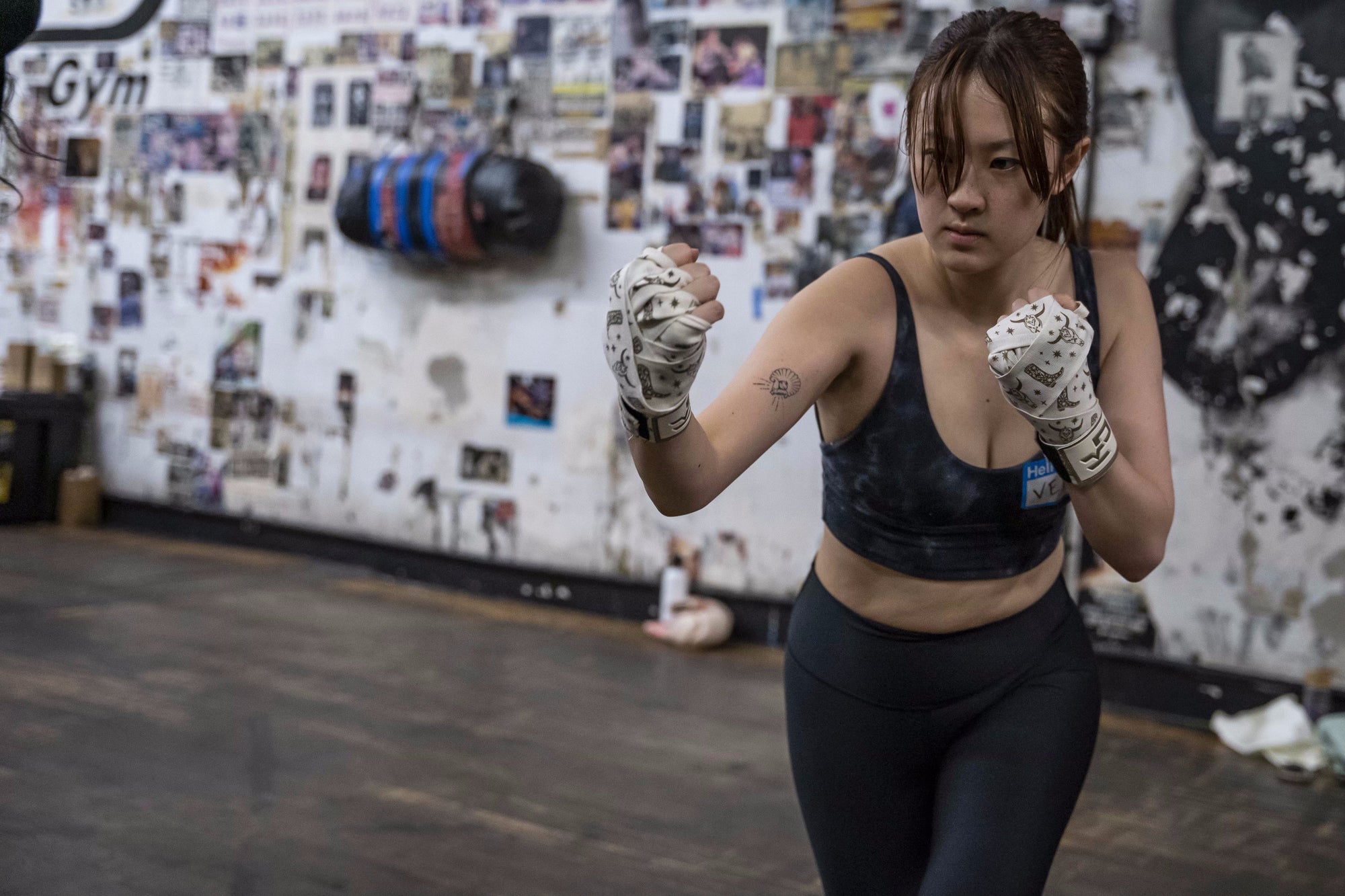
Don't skip your hand wraps. This one matters most. Fresh gloves plus bare hands is a recipe for sore knuckles and a bad first impression of a great pair of gloves. Wraps add a layer of cushioning, support your wrist, and help the glove fit more snugly while the lining is still firm. If you're not sure how to wrap, a good pair of women's boxing hand wraps and a few minutes of practice will change your whole experience.
How Fit Affects the Break-In Process
Here's something a lot of guides skip: if your gloves are the wrong size, no amount of breaking in will make them feel right. Gloves that are too big will always shift around your hand, and gloves that are too small will pinch no matter how much the padding softens.
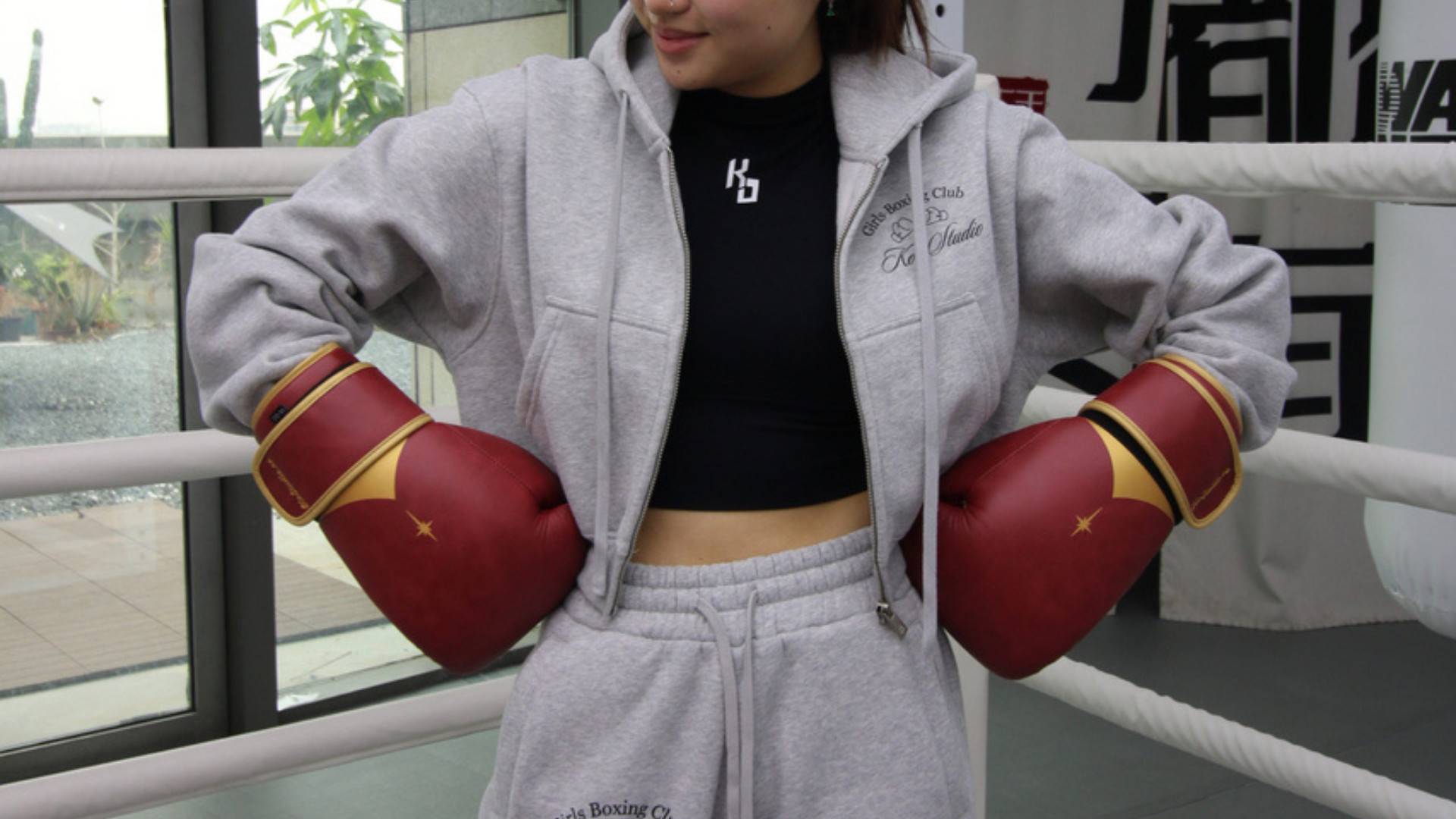
Women's hands are generally narrower through the palm and have slimmer fingers, which is why a men's or unisex glove can feel bulky and loose even in the correct ounce. Female-specific gloves, like the ones in our women's boxing gloves collection, are cut to actually match the shape of your hand — so once they're broken in, the fit is genuinely locked in rather than just "less loose." If you're still deciding what size to order, our boxing glove size guide for women walks through exactly what ounce you need for bag work, pads, and sparring.
The takeaway: break-in fixes stiffness, not fit. Start with the right pair, and the process does the rest.
Caring for Your Gloves Once They're Broken In
Breaking your gloves in is step one. Keeping them in good shape is what makes them last. After each session, pull the gloves out of your bag — never leave them zipped up sweating in the dark, which is how gear turns funky. Wipe down the interior, and let them air out fully before your next round.
A cedar insert or a small pack of silica can pull moisture out between sessions, and rotating between two pairs (if you train often) gives each set time to dry completely. When they do eventually need a proper clean, resist the urge to toss them in the wash. Our guide on how to clean boxing gloves and stop the smell covers the safe way to deodorize and dry your gear so it lasts season after season.
Well-cared-for gloves stay broken-in longer, hold their protective padding, and keep that molded-to-your-hand feel for years instead of months.
The Bottom Line on Breaking In Boxing Gloves
Stiff new gloves aren't a mistake — they're the starting point of gear that's going to fit you better than anything off a generic shelf. Wear them around the house, shadow box, ease into your bag work, flex the padding by hand, and always wrap up underneath. Skip the heat and the water, respect the process, and in a couple of weeks you'll have gloves that feel like they were made for your hands, because they essentially now are.
Ready for a pair worth breaking in? Explore our women's boxing gloves, cut and padded specifically for women, and start building the gear that grows with your training. Your future self — mid-combo, gloves molded perfectly to your fists — will thank you.