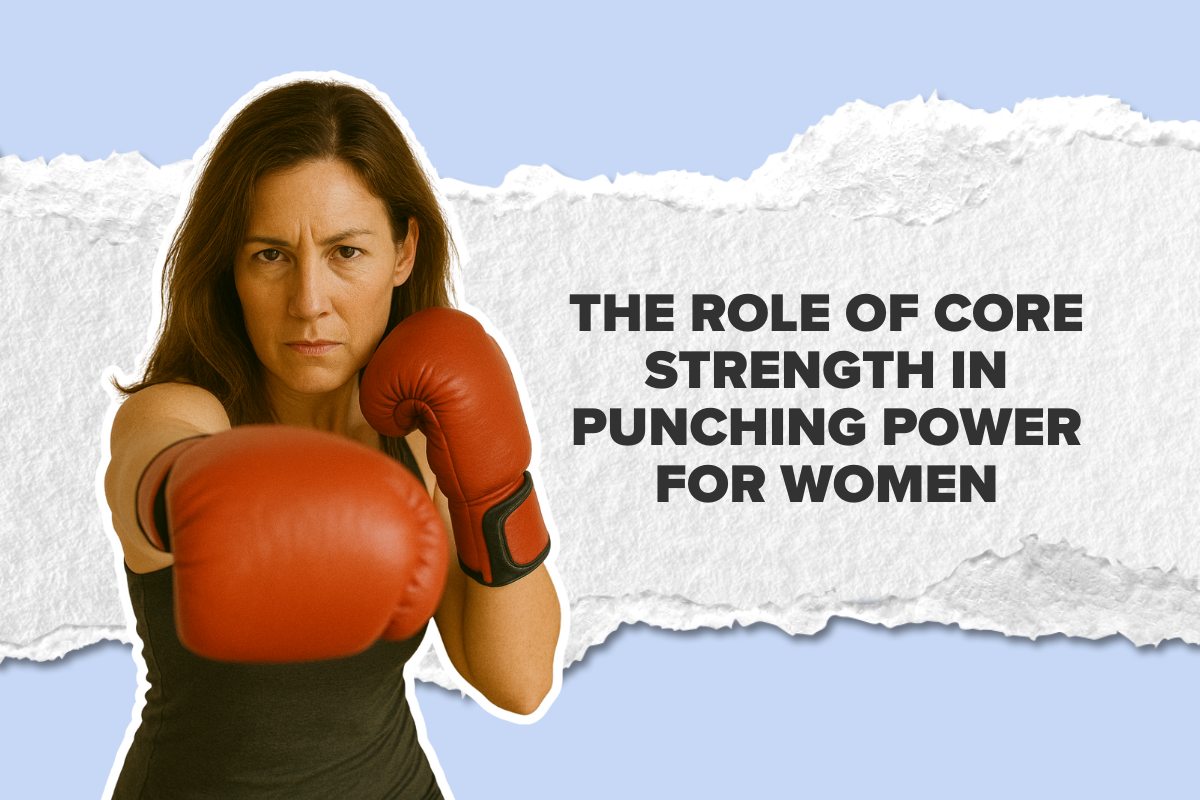

Boxing is an incredible workout — empowering, energizing, mentally grounding, and amazing for full-body strength. But when you’re pregnant or recovering postpartum, your relationship with training naturally shifts. Your body is doing something extraordinary, and your workouts need to support that, not work against it.
The good news? With the right modifications and medical clearance, many women can continue training safely through pregnancy and return to boxing postpartum in a smart, gradual, body-respecting way.
This is not about “pushing through.” It’s about adapting, listening, and honoring your body at each stage. Every pregnancy is different, and postpartum recovery varies hugely, so always follow your doctor or midwife’s guidance.
This guide will help you understand what changes during pregnancy, which boxing movements to modify, how to train safely, and how to rebuild strength and confidence after birth.
Understanding How Pregnancy Changes Your Body
Before diving into workout adaptations, it helps to understand what’s happening physiologically.
1. Hormonal Changes (Relaxin)
Relaxin softens ligaments and joints.
This means:
-
Less stability
-
Higher injury risk
-
Less tolerance for explosive pivots
Modifications should protect the hips, knees, and pelvis.
2. Core + Abdominal Changes
As the belly grows, abdominal separation (diastasis recti) can occur.
Avoid any movement that places excessive pressure on the midline.
3. Blood Volume + Heart Rate Changes
Your body pumps significantly more blood.
So:
-
You may get breathless faster
-
Overheating becomes dangerous
-
Intensity may feel very different
4. Shifting Center of Gravity
Balance naturally becomes less reliable as baby grows.
Certain footwork and drills may feel unsafe later on.
Pregnancy is not the time for max intensity — but it is a beautiful time for mindful, slower, empowering movement.
Boxing Workouts During Pregnancy (By Trimester)
First Trimester (Weeks 1–12)
Most women can continue much of their normal training, but fatigue and nausea can influence intensity.
What You Can Usually Keep:
-
Shadowboxing
-
Footwork
-
Light-to-moderate bag work
-
Strength training with controlled movements
-
Light conditioning
Modifications to Begin Early:
-
Avoid overheating
-
Reduce high-impact jumping
-
Skip full-contact sparring immediately
-
Lower overall intensity if you feel fatigued
Green Light Focus:
-
Technique
-
Breathing
-
Slow combinations
-
Maintaining mobility
Second Trimester (Weeks 13–27)
The most noticeable physical changes begin here, and adaptations become essential.
Safe Boxing Elements:
-
Shadowboxing with intention
-
Bag work without maximal force
-
Controlled mitt work (no surprises or impact)
-
Seated or kneeling punching drills if balance feels off
Movements to Avoid:
❌ Sparring
❌ Hard body rotations
❌ Heavy twisting
❌ Impact to belly or torso
❌ High-intensity intervals that spike heart rate
Modify Footwork:
-
Slow, deliberate steps
-
No explosive pivots
-
No fast slips that risk dizziness
Strength Training Notes:
-
Avoid supine exercises (lying flat) after week 16
-
Avoid heavy loads
-
Focus on glute strength, posture, and alignment
Green Light Focus:
-
Stability
-
Light conditioning
-
Technique refinement
-
Bracing and breath control
Third Trimester (Weeks 28–40+)
This stage is all about comfort, breath, and gentle movement.
Safe Boxing Elements:
-
Very light shadowboxing
-
Slow punching flows
-
Seated upper-body boxing circuits
-
Low-impact footwork
-
Mobility sessions
Avoid Entirely:
❌ Bag work (too much core pressure)
❌ Sparring
❌ Fast-paced drills
❌ Anything that creates abdominal bulging
❌ Any movement that feels jarring
Green Light Focus:
-
Staying active, not pushing
-
Controlled breath
-
Pelvic floor connection
-
Gentle strength like banded work
The goal here is physical and mental wellbeing — not performance.
Postpartum Recovery: Returning to Boxing Safely
Every postpartum journey is unique. Some women return to movement a few weeks after birth, some take months. There is no timeline that defines strength or worth.
Always wait for medical clearance (commonly around 6–12 weeks), especially after C-section.
Stage 1: Foundation & Healing (Weeks 6–12+)
Focus On:
-
Pelvic floor rehab
-
Core activation (deep TVA, not crunches)
-
Breathwork
-
Walking
What to Avoid:
❌ Impact
❌ Bag work
❌ Heavy lifting
❌ Twisting punches
❌ Planks (until cleared)
Safe Boxing-Lite Options:
-
Light shadowboxing
-
Seated combos
-
Shoulder mobility drills
-
Light band rotations
This stage is about rebuilding your internal strength.
Stage 2: Gradual Conditioning (3–6 Months Postpartum)
Once your core reconnects and your pelvic floor stabilizes:
You Can Begin to Add:
-
Light bag work
-
Controlled footwork
-
Moderate strength training
-
Low-intensity intervals
Still Avoid:
❌ Sparring
❌ Max power shots
❌ Torso-heavy rotational drills
Your body is relearning movement patterns — don’t rush intensity.
Stage 3: Returning to Power & Technique (6–12 Months Postpartum)
For many women, this is where real training resumes.
Add Back In:
-
Stronger bag rounds
-
Technique drills
-
Light mitt work
-
Some rotational power (approved by physio)
Possibly:
-
Sparring (only when you feel safe, ready, and cleared)
Punching power requires a functioning core and stable pelvis.
Take your time. Progression beats pressure.
Tips for Safe Pregnancy & Postpartum Boxing
1. Prioritize Hydration
Pregnancy increases fluid needs — drink more than you think.
2. Avoid Holding Breath
Breath is your pelvic floor’s partner.
Exhale on exertion.
3. Listen to Every Signal
Pain, dizziness, heaviness, leakage, or strange belly doming = stop immediately.
4. Adjust Your Gear
Heavier gloves can strain joints when relaxin is high.
Use lighter gloves and wrist support.
5. Ditch Ego Completely
Your body is not “regressing” — it is adapting.
6. Celebrate Strength in All Forms
Pregnancy and postpartum recovery build resilience equal to any athlete’s journey.
Why Boxing Is Still Amazing for Pregnant and Postpartum Women
Boxing offers:
✔ low-impact options
✔ confidence boosts
✔ mental stress release
✔ adaptable intensity
✔ empowering movement
✔ coordination without heavy strain
✔ a powerful sense of identity
With proper modifications, it remains one of the most rewarding forms of exercise during motherhood transitions.
Final Thoughts
Pregnancy and postpartum recovery don’t mean giving up boxing — they mean retraining with purpose, respecting your body, and adapting with intelligence and compassion. When you prioritize healing, alignment, core connection, and gradual progression, your return to the ring will be stronger, safer, and more meaningful.
And when you’re ready to train again with gear that supports your hands, wrists, and comfort, check out KO Studio, a women’s boxing gear company designed to help women feel confident through every chapter — from pregnancy to postpartum to peak performance.